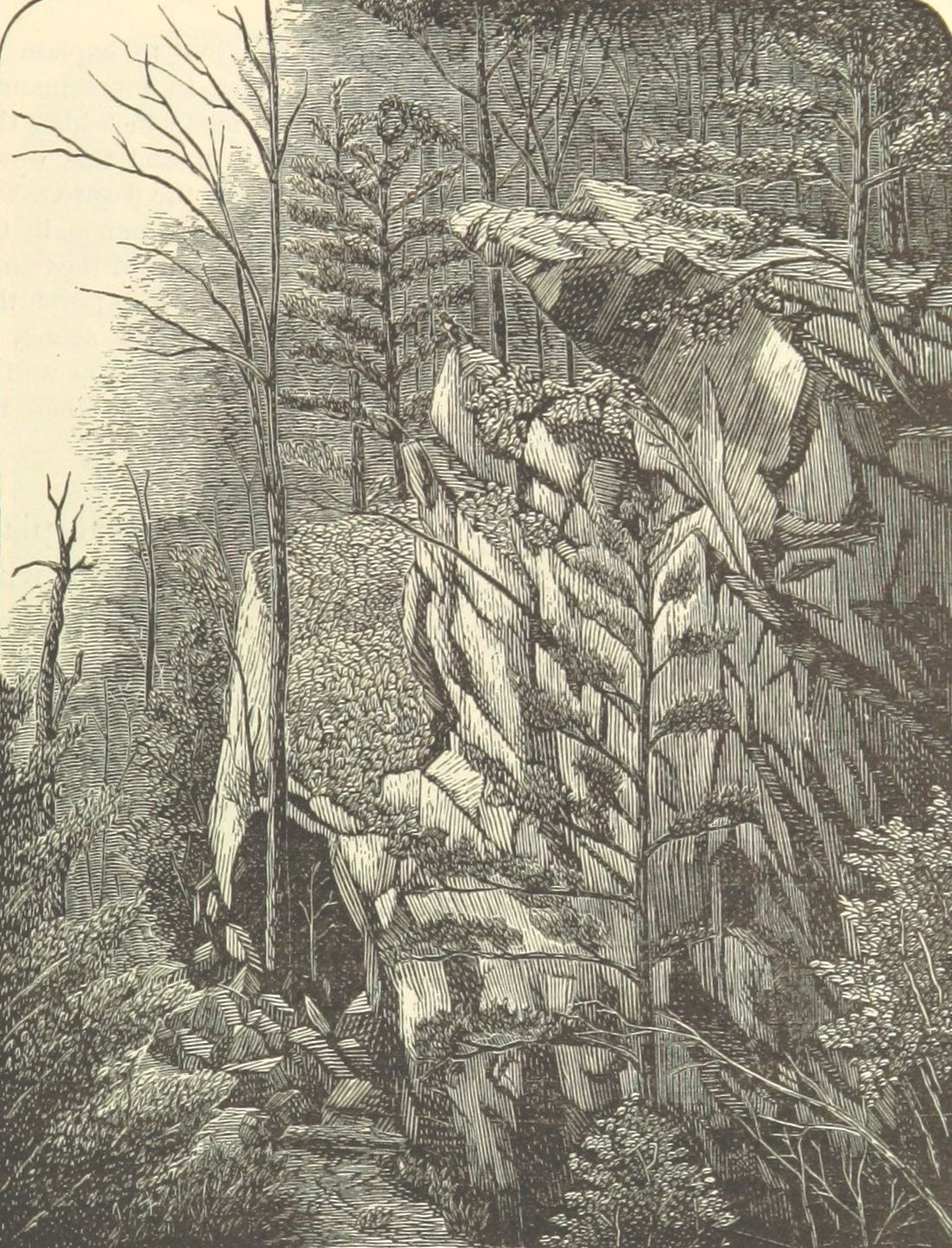
Rock Formations
Devil's Pulpit, Fat Man's Misery and five more, in the order you meet them.
The rock formations at Purgatory Chasm are seven named features along DCR's blue-blazed Chasm Loop Trail in Sutton: His Majesty's Cave, Lover's Leap, the Devil's Pulpit, the Devil's Coffin, Fat Man's Misery, the Devil's Corn Crib and the Glacier Chair. DCR says most of the names were coined in the 19th century to draw tourists. Fat Man's Misery is the famous squeeze, a crack about 20 feet deep and only 1.5 feet wide. The Devil's Pulpit tipped over in 1994 and now lies on the ground.
The Formations at a Glance
The Seven Stops, in Order
DCR's free self-guided tour, "Rocky Memories," walks you past each formation in the order below, starting at the bronze dedication plaque just inside the chasm entrance. Distances are DCR's, measured from the stop before. The whole loop is about half a mile; see the Chasm Loop Trail guide for how hard it is.
1. His Majesty's Cave
On your right, about 30 feet past the plaque. Nobody knows for sure where the name came from. One story ties it to King George III during the Revolution, but DCR points out that the name first shows up in the late 1800s, so that is unlikely. DCR's own guess is simpler: the cave is roomy enough to be fit for a king.
2. Lover's Leap
About 150 feet farther along the chasm floor, marked by a sign on the right-hand wall roughly 12 feet up. This is where the chasm's first known death happened. In 1876, after a picnic, a visitor named Ellen Prentice fell from the rim; the Boston Globe account DCR quotes puts the drop at about 70 feet. It's a sober reminder of why DCR asks everyone to keep clear of the edges (safety page).
3. The Devil's Pulpit
About 65 feet on, on your right. Look for a rock lying on the ground with an alcove behind it. In the 1800s the Pulpit stood upright like a natural lectern, and families on outings climbed up to give speeches, with the chasm acting as an amphitheater. The stone tipped over in 1994. DCR's tour invites you to say a few words of your own here anyway.
4. The Devil's Coffin
About 800 feet farther, near the end of the chasm, just before the footbridge turns left, on your right. More than a century ago someone carved "Prepare to meet thy god" into the left wall of the entrance. Inside is a rock shaped a little like a coffin. DCR calls it a talus cave: a gap formed where big boulders landed on top of one another.
5. Fat Man's Misery
About 1,000 feet along the loop after the trail turns left out of the chasm, on your left. It is a narrow slot between two rocks, about 20 feet deep and only 1.5 feet wide. DCR says it was a popular place in the park's early days, and its tour sheet shows a family posing for a photo there. DCR warns that a ledge is close by. If the squeeze looks like too much, skip it and keep following the blue blazes to the Corn Crib.
6. The Devil's Corn Crib
About 300 feet past Fat Man's Misery, on your left. It is named for its likeness to an old-fashioned corn crib, the slatted bin farmers used to dry and store grain. It is the smaller of the two squeezes, about 5 feet deep, which makes it the easier choice for kids.
7. The Glacier Chair
About 400 feet on, overlooking the chasm entrance. It is a rock shaped like a couch. DCR says its concave, fairly smooth surface shows a glacier passed over it more than 10,000 years ago. From here, follow the blue blazes back to the pavilion along the path by the old stone building.
Caves at Purgatory Chasm
The caves here are not limestone caverns. They are spaces between huge blocks of rock resting on one another. DCR's tour names two you can look into from the trail, His Majesty's Cave and the Devil's Coffin, and the Park Passport Challenge describes scrambling through caves in the chasm. Bring a phone light if you want to see into the back of them, and never force your way into a gap you can't easily back out of.
Good For
- Kids 8 and up who like to scramble. DCR's guided chasm hike is aimed at that age.
- Photographers. All seven formations are on the same half-mile loop. See old photos and postcards of the same spots.
- Anyone interested in how places got their names. Most of these are 19th-century tourist names, according to DCR.
Maybe Skip If
- It has rained recently. DCR says the rocks are slippery during and soon after rain.
- It's winter. DCR closes the Chasm Trail in icy conditions; walk the other trails instead.
- You need a flat, smooth path. The formations sit on a boulder scramble.
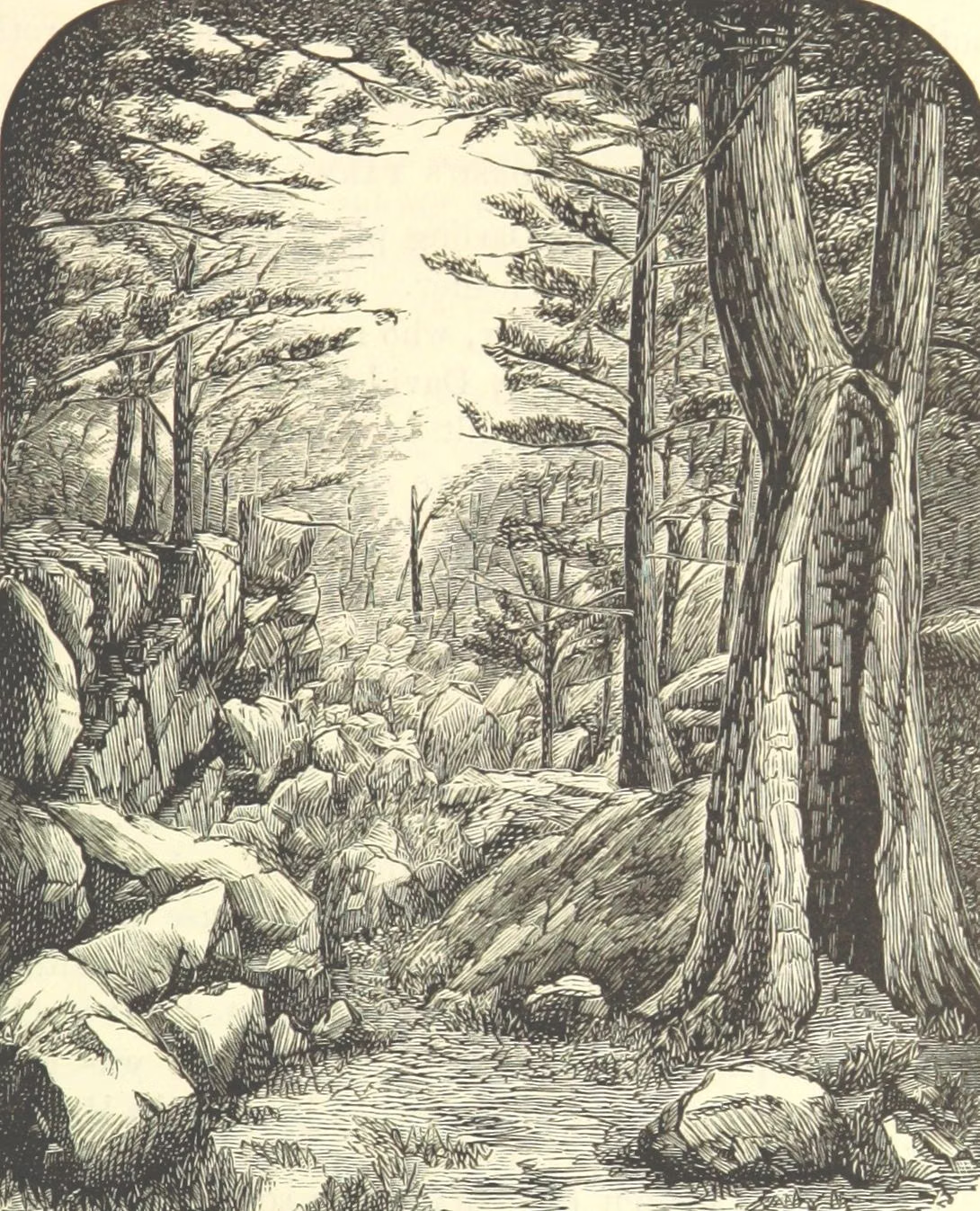
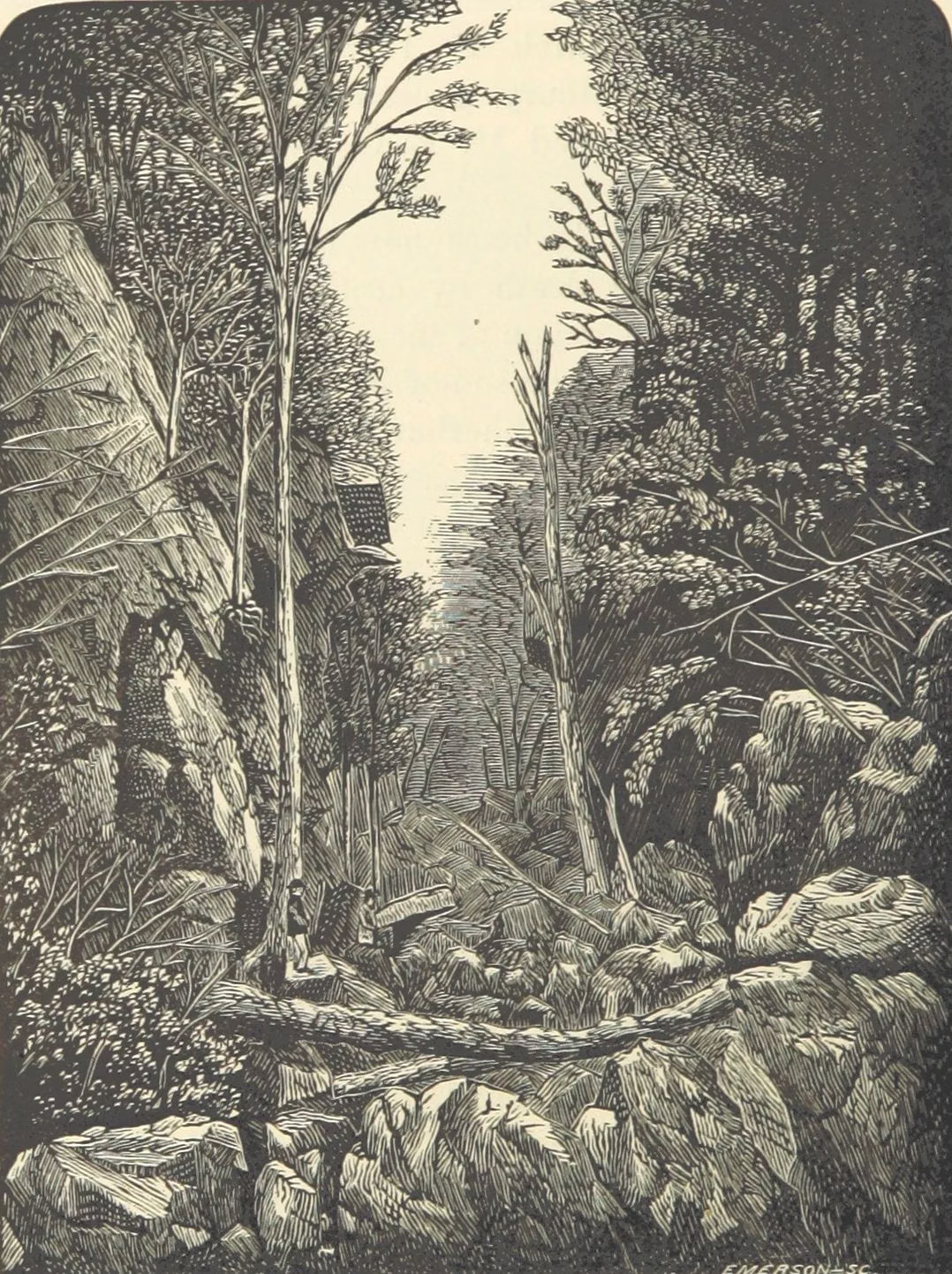
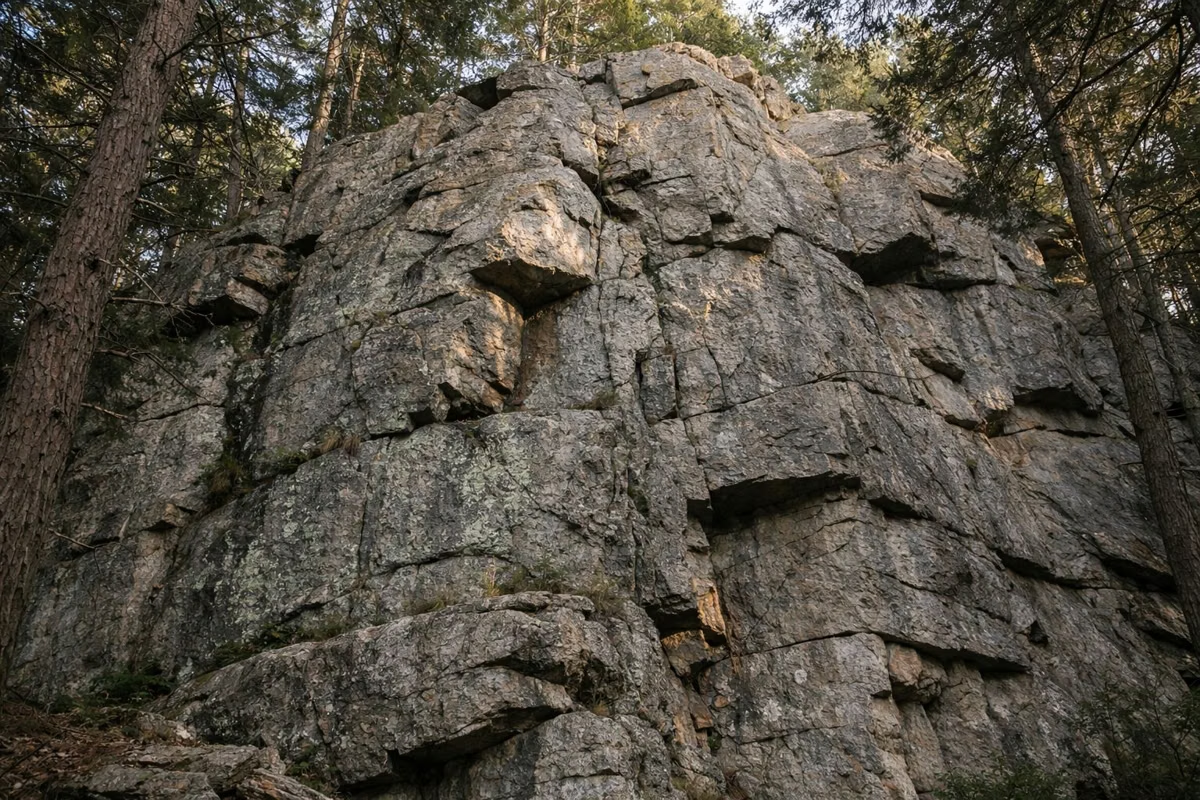
Rock Formations FAQ
What is the Devil's Pulpit at Purgatory Chasm?
It is a rock formation on the Chasm Loop Trail that once stood upright like a lectern, where 19th-century families gave speeches using the chasm as an amphitheater. It tipped over in 1994; today it is a rock on the ground with an alcove behind it, about 65 feet past Lover's Leap.
How wide is Fat Man's Misery?
About 1.5 feet wide and 20 feet deep, according to DCR. It is on the Chasm Loop Trail after the trail leaves the chasm, and the smaller Devil's Corn Crib is the easier alternative.
Can kids fit through Fat Man's Misery?
DCR gives no age or size limit for it. Watch kids closely, because DCR notes a ledge close by. If it looks intimidating, DCR suggests the Devil's Corn Crib, a smaller squeeze about 5 feet deep, 300 feet farther on.
Why is it called Purgatory Chasm?
DCR says the park's colorful names were coined in the 19th century to attract tourists. Geologists quoted by Yankee Magazine's NewEngland.com credit a sudden release of glacial water. The history page has more.